


Tianlong - News

Hydraulic Fitting Selection Guide: Key Factors to Master Quickly
Hydraulic systems power equipment in various industries such as construction, mining, and manufacturing. As the core connectors of the system, fittings, though small in size, directly determine the safety and stability of fluid flow. Choosing the right hydraulic fittings is crucial to ensuring system performance and extending service life. This article briefly summarizes the core points for selecting hydraulic fittings, helping relevant practitioners make reasonable choices quickly and avoid problems such as leakage and wear.
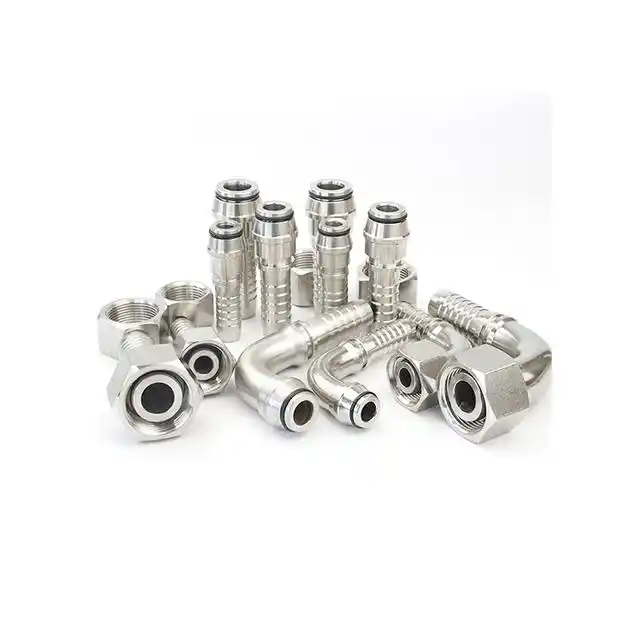
I. Understand the Core Functions of Hydraulic Fittings
Hydraulic fittings are used to connect various components of the system, with core functions including: maintaining fluid sealing under high pressure, facilitating disassembly and replacement of components, adapting to system vibration and movement, and resisting environmental and chemical corrosion. Common configurations include straight-through, elbow, tee, etc., all manufactured in accordance with specific thread standards and sealing methods.
II. 6 Key Factors for Selecting Hydraulic Fittings
1. System Pressure Rating
The pressure rating of the fitting must be equal to or higher than the maximum operating pressure of the system; otherwise, it is prone to safety hazards such as leakage and damage. At the same time, ensure that the pressure rating of the fitting is compatible with other components such as hoses, pumps, and valves.
2. Thread Type and Compatibility
Hydraulic fitting threads follow different regional and industry standards. Common types include BSP (British Standard Pipe), NPT (National Pipe Thread), JIC (Joint Industry Council), ORFS (O-Ring Face Seal), and metric threads (DIN/ISO). Mismatched threads will cause seal failure; never force the connection of incompatible threads.
3. Sealing Methods
There are 4 common sealing methods, which should be selected according to the application scenario and pressure level:
- Tapered Thread: Forms a seal through thread interference (e.g., NPT), which may require thread sealant or PTFE tape;
- ORFS (O-Ring Face Seal): Features an O-ring on the fitting face for excellent leak-proof performance, suitable for high-pressure systems;
- Compression Fitting: Relies on a mechanical ferrule compressed onto the pipe to provide a secure seal;
- Flared Face: Similar to tapered threads, flared face fittings (e.g., 37°, 60°, and 45° tapers) achieve sealing by compressing the flared face of the male fitting against the recessed face of the female fitting.
4. Material Selection
Fitting materials need to match the fluid type, temperature, and environment. Common options include:
- Carbon Steel: Durable and low-cost, suitable for most industrial scenarios;
- Stainless Steel: Corrosion-resistant, suitable for marine, food-grade, chemical, and other scenarios;
- Brass: Suitable for low to medium pressure scenarios with good corrosion resistance;
- Plastic/Composite Materials: Lightweight and corrosion-resistant, suitable for low-pressure or fluid-sensitive scenarios.
5. Environmental Conditions
External environmental impacts need to be considered: exposure to saltwater, dust, chemicals, extreme temperatures, system vibration, and cleanliness requirements (e.g., food and pharmaceutical equipment). For harsh environments, stainless steel or nickel-plated fittings are preferred; for scenarios with frequent vibration, vibration-resistant or flexible hose fittings are ideal.
6. Ease of Maintenance and Use
For systems that require regular maintenance or component replacement, quick-connect or push-to-connect fittings are preferred to simplify operation processes and reduce system downtime.
Conclusion
In summary, selecting hydraulic fittings requires comprehensively considering the above factors and reasonably matching them with specific application scenarios to maximize the reliability and safety of the hydraulic system. Correct selection can not only avoid hidden dangers such as leakage and component damage but also reduce maintenance costs and improve equipment operating efficiency, laying a solid foundation for the stable operation of hydraulic equipment in various industries. If you encounter specific questions during the selection process, you can follow our subsequent content to obtain more detailed adaptation suggestions.
Send Inquiry



X
We use cookies to offer you a better browsing experience, analyze site traffic and personalize content. By using this site, you agree to our use of cookies.
Privacy Policy