


Tianlong - News

Hydraulic System Overheating: Causes, Risks, and Proven Solutions
The hydraulic system is the true “power heart” of industrial and mobile equipment. Its performance directly affects machine efficiency, productivity, and long-term reliability.
However, hydraulic system overheating remains one of the most common challenges faced by equipment manufacturers and end users. Excessive oil temperature not only reduces operating efficiency but can also cause hydraulic oil degradation, premature seal failure, unstable motion, and shortened component life—leading to unplanned downtime and higher maintenance costs.
Understanding the root causes of overheating and applying the right solutions is essential for maintaining stable hydraulic performance.
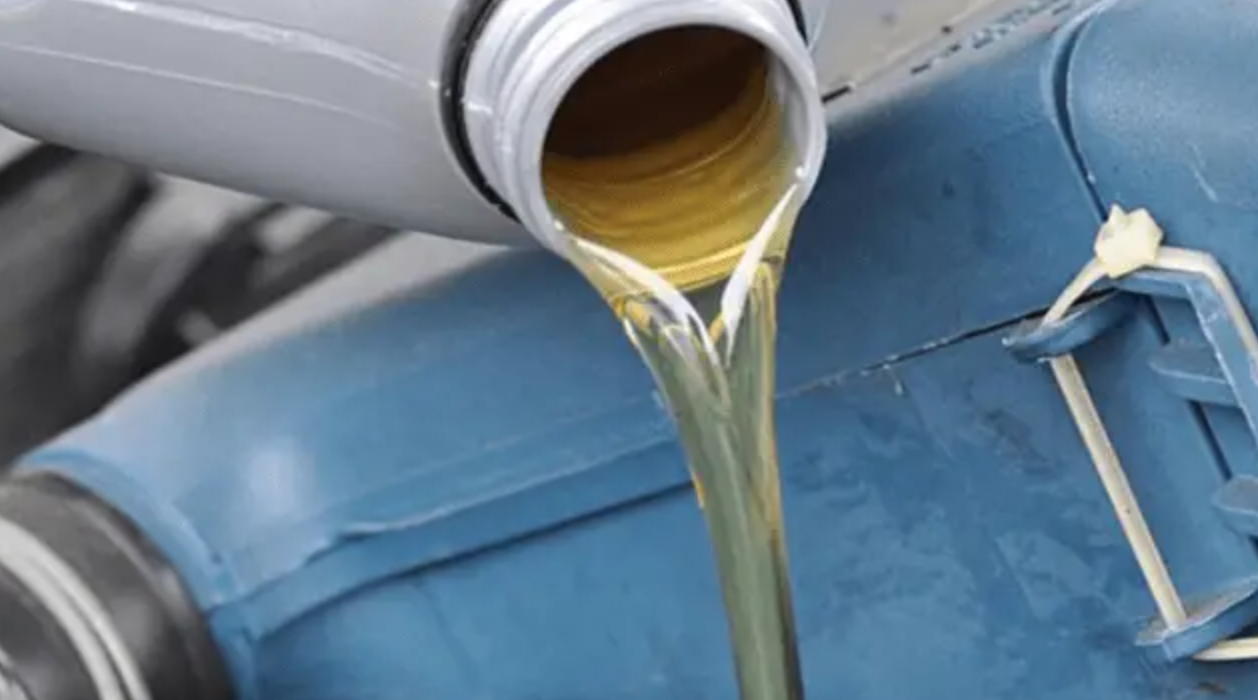
Why Hydraulic System Overheating Matters
When hydraulic oil temperature exceeds recommended limits, the entire system is affected:
-Reduced lubrication performance
-Accelerated seal aging and leakage
-Increased internal wear of cylinders and valves
-Declining efficiency and higher energy consumption
-Shortened service life of hydraulic components
-In demanding applications such as construction equipment, agricultural machinery, trailers, and material handling systems, temperature control is critical for reliability and safety.
Common Causes of Hydraulic System Overheating
Hydraulic system overheating occurs when generated heat cannot be dissipated efficiently. In practical applications, the most common causes include:
-Insufficient cooling capacity or cooler failure
-Improper hydraulic oil viscosity or low oil level
-Undersized or poorly ventilated hydraulic reservoir
-Continuous high-pressure operation or relief valve overflow
-Excessive pressure loss caused by improper piping layout
-Internal leakage, worn seals, or excessive friction
-High ambient operating temperatures
In most cases, overheating is not caused by a single fault, but by multiple factors acting together.
Proven Solutions to Control Hydraulic System Temperature
Effective temperature management requires a combination of correct system design, high-quality components, and proper maintenance practices.
Optimize Cooling Performance
-Ensure oil coolers are clean and properly sized
-Upgrade cooling capacity for high-duty applications
Maintain Proper Hydraulic Oil Condition
-Use the correct viscosity grade for operating conditions
-Maintain proper oil level and cleanliness
-Implement routine oil inspection and replacement
Improve Reservoir and Circuit Design
-Increase tank capacity to improve heat dissipation
-Optimize hydraulic circuit layout to minimize pressure losses
-Avoid continuous relief valve overflow
Reduce Mechanical Losses
-Replace aging seals and worn components
-Improve lubrication and component alignment
-Minimize internal leakage to improve efficiency
Improve Operating Environment
-Enhance ventilation around equipment
-Provide thermal protection in high-temperature environments
How High-Quality Hydraulic Cylinders Help Prevent Overheating
While system design plays a critical role, hydraulic cylinder quality has a direct impact on heat generation and efficiency.
Poor sealing performance, excessive internal leakage, or improper tolerances can significantly increase oil temperature during operation.
At TOLENG, we design and manufacture hydraulic cylinders with a strong focus on:
-Precision-machined components to minimize friction
-High-performance sealing systems for low leakage
-Optimized surface finishes to reduce heat generation
-Pressure-tested cylinders ensuring stable operation
-Designs compliant with North American hydraulic standards
By combining reliable cylinder performance with proper system design, overheating risks can be effectively reduced while improving overall machine efficiency.
Partner with a Reliable Hydraulic Cylinder Manufacturer
Hydraulic system stability begins with high-quality components.
With over 20 years of manufacturing experience, TOLENG provides custom-engineered hydraulic cylinders designed for durability, efficiency, and long service life—even under demanding operating conditions.
If you are experiencing hydraulic system overheating issues or seeking reliable cylinder solutions for your equipment, our engineering team is ready to support your project.
Contact us today to discuss your application requirements and discover how optimized hydraulic cylinder solutions can improve system performance and reduce long-term operating costs.
Send Inquiry



X
We use cookies to offer you a better browsing experience, analyze site traffic and personalize content. By using this site, you agree to our use of cookies.
Privacy Policy