


Tianlong - News

How to clean hydraulic cylinder?
For a hydraulic cylinder to function perfectly, the cleaning step is indispensable. During the manufacturing and usage of hydraulic cylinders, there will be some indispensable contaminants. To ensure the reliability and stability of the subsequent operation of the hydraulic cylinders, it is necessary to clean the hydraulic cylinders.
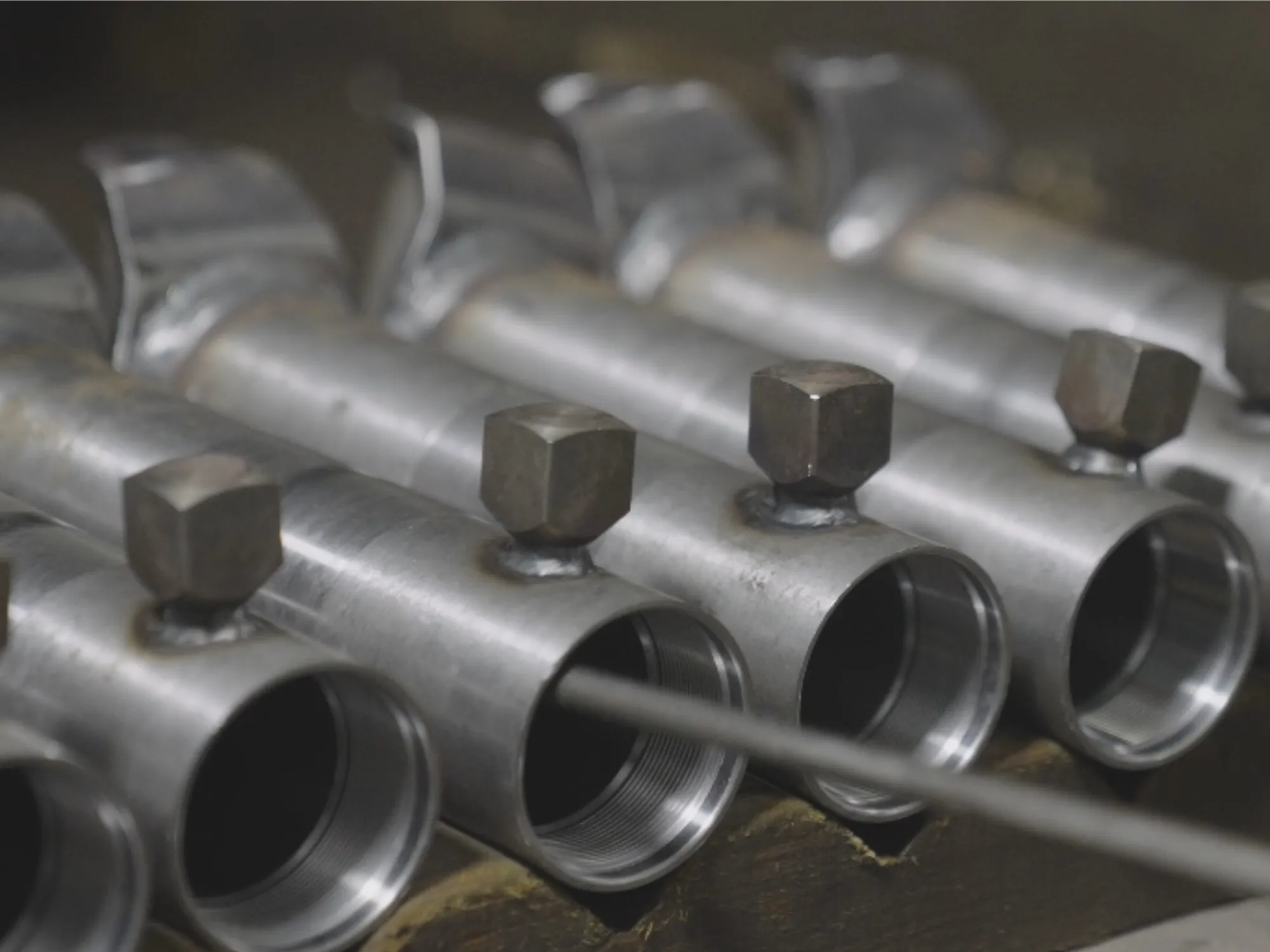
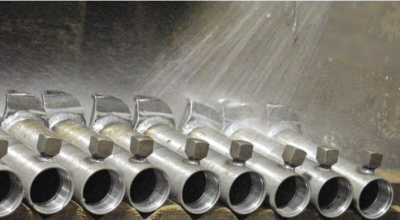
The following are the important steps for cleaning hydraulic cylinders
I. Pre-Cleaning Inspection and Preparation
Prior to cleaning, the following preparatory steps must be completed:
1. Visual Inspection: Examine the cylinder and related components for oil leaks, cracks, deformation, and thread damage. Document all findings and identify parts requiring disassembly or replacement.
2. Residue Assessment: Evaluate the type and amount of internal contamination to determine if pre-treatment is necessary to loosen adhered contaminants.
3. Cleaning Agent Compatibility Verification: Ensure the selected cleaning agent is chemically compatible with all cylinder materials, including seals, elastomeric rings, coatings, and metals, to prevent corrosion or degradation.
II. Common Hydraulic Cylinder Flushing Methods
1. Circulation Flushing: An external pump station circulates cleaning fluid through the cylinder to carry away impurities. This method is suitable for large cylinders or applications where disassembly is impractical.
2. Immersion Flushing: The cylinder is partially or fully submerged in a cleaning bath. Contaminants are removed through dissolution and fluid action. Immersion time should be adjusted based on conditions, with attention to fluid selection and safety.
3. High-Pressure Jet Flushing: A high-pressure jet sprays cleaning fluid onto the cylinder's interior and exterior surfaces to forcefully remove adhered deposits. While highly effective, this method requires careful pressure control to avoid damaging the cylinder.
III. Key Precautions for Cylinder Cleaning
1. Cleaning Fluid Selection: Use only fluids compatible with the hydraulic system to avoid damaging cylinder materials or seals.
2. Flushing Pressure Control: Maintain appropriate pressure throughout the process. Excessive pressure can cause damage, while insufficient pressure may compromise cleaning effectiveness.
3. Flushing Duration Management: Determine the flushing time based on the level of contamination and the fluid's cleaning capacity. Optimize the duration to ensure thorough cleaning while conserving resources.
4. Post-Flushing Inspection and Maintenance: Conduct a comprehensive inspection after flushing to verify the removal of all contaminants and the absence of damage. Promptly replace the hydraulic fluid and worn components (e.g., seals) to ensure reliable cylinder operation.
Hydraulic cylinders are the core actuating components of the hydraulic system. The cleanliness of their interiors directly affects the reliability, accuracy and lifespan of the system operation. Any contaminants generated during manufacturing and usage, if not thoroughly removed, will become a potential source of system failures. Therefore, a strict and professional cleaning process is not only an essential maintenance step but also an active quality and risk management measure. Through scientific and standardized cleaning, not only can the performance of the hydraulic cylinder itself be guaranteed, but also the working efficiency and long-term reliability of the entire hydraulic system can be effectively improved, maximizing the value of the equipment.
Send Inquiry



X
We use cookies to offer you a better browsing experience, analyze site traffic and personalize content. By using this site, you agree to our use of cookies.
Privacy Policy